Stopping semaglutide usually leads to partial to substantial weight regain and, in people with diabetes, a rise in blood sugar. Clinical trial data show most people regain a substantial portion of their lost weight within a year of quitting the drug. That outcome is not automatic, though. Working with a clinician on tapering, monitoring, and a lifestyle plan meaningfully changes how much of that regain you experience.
TL;DR:
- Most weight and blood sugar improvements from semaglutide begin to decline within one to three months after stopping, with the majority of weight regain occurring in the first year.
- Appetite and food thoughts tend to return rapidly once the drug clears, typically over five to six weeks, due to its half-life of about seven days.
- Engaging in structured lifestyle habits like regular meal schedules, high-protein and fiber intake, strength training, and good sleep can significantly reduce the amount of weight regained.
- Tapering off under medical supervision may ease appetite rebound, but abrupt discontinuation is generally tolerated, with some increased hunger and mood shifts expected.
- Long-term data beyond one year is limited, and cardiometabolic benefits tend to revert gradually as weight increases after drug cessation.
The first thing most people notice after stopping semaglutide is hunger. That is not a coincidence or a failure of willpower. Semaglutide works partly by slowing stomach emptying and dampening appetite signals in the brain, so once the drug clears your system, that suppression lifts. Food thoughts that had gone quiet, often called “food noise,” tend to come back, sometimes within the first couple of weeks.
Nausea, vomiting, constipation, or diarrhea caused by the medication typically resolve fairly quickly once you stop, since those symptoms were tied directly to the drug’s presence in your system. If you had been managing side effects by eating smaller meals or avoiding certain foods, you may find your digestion normalizes and your relationship with food shifts again, sometimes in ways that feel disorienting after months of suppressed appetite.
The psychological piece deserves equal attention. It is common to feel frustrated, discouraged, or even a little betrayed by your own body when hunger returns and the scale starts moving the wrong way. That reaction makes sense biologically. Your brain’s hunger and reward circuits are recalibrating, not malfunctioning, and semaglutide’s side effect profile works in both directions, meaning the same pathways that reduced appetite on the drug now drive its return once you stop.
Expect some combination of the following in the weeks after your last dose:
Pro Tip: Keep a simple hunger log for the first two weeks after stopping. Rating your hunger on a 1 to 10 scale before meals helps you tell the difference between genuine physical hunger and habit-driven snacking, which makes the transition feel less chaotic.
None of this means the drug caused permanent damage to your appetite regulation. It means the appetite-suppressing effect was doing real work, and your body is adjusting to its absence. That adjustment period is temporary for most people, even if it does not feel that way in week two.
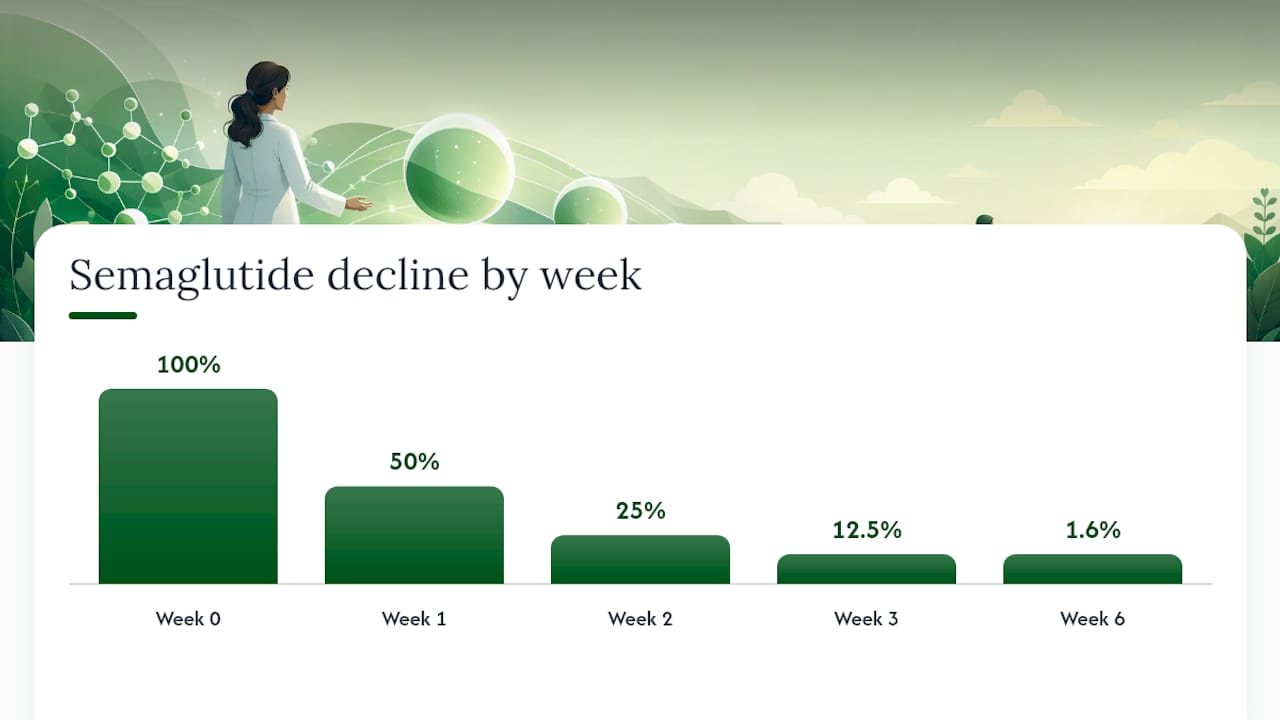
Semaglutide has a half-life of about seven days, according to the FDA prescribing information. That single number explains almost everything about the timeline you should expect.
Because it is dosed weekly, semaglutide builds up gradually and reaches steady state in your bloodstream after roughly four to five weeks of consistent dosing. When you stop, the reverse happens on a similar timescale. The drug does not vanish the day after your last injection. It clears slowly, over five to six weeks, with appetite suppression fading gradually rather than dropping off a cliff.
Here is a rough checkpoint timeline worth keeping in mind:
Metabolic and weight shifts unfold over months, not days, which gives you a real window to put habits in place before regain accelerates.
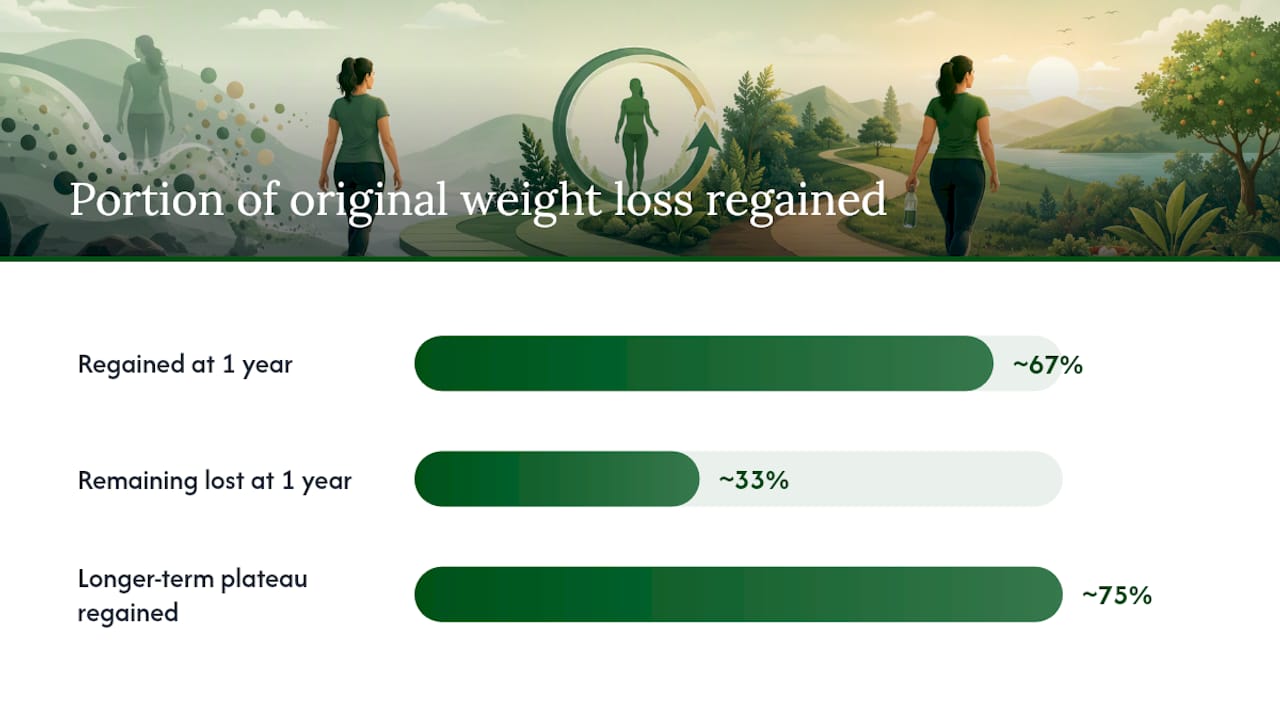
The most cited data on this topic comes from the STEP 1 trial extension, which followed people who had lost an average of 17.3% of body weight after 68 weeks on semaglutide 2.4 mg. One year after stopping the drug and the structured lifestyle intervention, participants had regained about two-thirds of that lost weight, roughly 11.6 percentage points of the 17.3% they had lost.
A 2026 meta-regression looking across GLP-1 discontinuation studies found a similar and fairly predictable pattern: people regain a large portion of lost weight within the first year off treatment, with some trajectories plateauing around three-quarters of the original weight lost over longer follow-up. That consistency across separate datasets is notable. It suggests the regain pattern is a biological response to discontinuation, not a fluke of one trial’s population.
Across independent trial and meta-analytic data, weight regain after stopping semaglutide follows a strikingly consistent pattern: a substantial portion of lost weight returns within a year, with a plateau near three-quarters over the longer term.
Cardiometabolic markers tell a related story. In the STEP 1 extension, improvements in blood pressure, cholesterol, and blood sugar control that had developed during treatment moved back toward pre-treatment baseline levels alongside the weight regain. This did not happen instantly. The reversal tracked roughly with the pace of weight regain itself, unfolding over the same 12-month window rather than snapping back the moment the drug left your system.
| Measure | On treatment (week 68) | One year after stopping |
|---|---|---|
| Body weight change from baseline | Down 17.3% | Regain of about 11.6 percentage points |
| Cardiometabolic markers (blood pressure, lipids, glycemic measures) | Improved | Largely reverted toward baseline |
The honest takeaway is that discontinuation studies mostly cover a one-year window. Longer-term data on what happens at two, three, or five years post-discontinuation remains limited, so any claims about “eventual” outcomes beyond that point should be read with caution.
You cannot fully override the biology described above, but you can meaningfully blunt it. Harvard Health’s clinical guidance on transitioning off GLP-1 medications centers on a handful of concrete, low-risk behaviors that mimic some of what the drug was doing for you.
Rebuild a consistent meal schedule immediately. Skipping meals when hunger has not fully returned, then overeating once it does, is one of the fastest routes to regain. Eat on a schedule even before you feel hungry.
Prioritize protein and fiber at every meal. Both slow digestion and extend satiety, partially replicating the mechanism semaglutide used. A GLP-1 focused eating approach built around these two nutrients is one of the more direct ways to soften the hunger rebound.
Hydrate deliberately, especially before meals. Thirst is frequently mistaken for hunger, and this confusion becomes more pronounced once appetite signals are no longer artificially suppressed.
Add strength training two to three times a week. Preserving lean muscle mass protects your resting metabolic rate during the maintenance phase, which matters more once the drug’s metabolic support is gone. Pairing this with structured activity guidance designed for the post-semaglutide period makes the habit easier to sustain.
Protect your sleep. Sleep deprivation raises ghrelin, the hormone that drives hunger, according to clinical guidance from URMC’s health matters coverage. Poor sleep on top of a fading appetite suppressant is a difficult combination.
Plan for social and travel eating triggers in advance. Holidays, work events, and vacations are common regain flashpoints. Building a loose plan ahead of time, the way travel eating guidance recommends, prevents one bad week from becoming a bad quarter.
Use portable, high-protein formats for snacks and travel days. Choosing convenient options ahead of time, an approach covered in comparisons of gummy versus capsule supplement formats for adherence, keeps you from defaulting to whatever is nearby when hunger spikes unexpectedly.
Bring in structured behavioral support if regain accelerates. Counseling, a registered dietitian, or a structured weight-management program can address the psychological load of “food noise” returning, which is often harder to manage than the physical hunger itself.
Talk to your prescriber about tapering, switching, or restarting. Some clinicians reduce dose gradually over several weeks rather than stopping abruptly, though individual schedules vary and should be clinician-directed rather than self-managed.
Pro Tip: Do not wait until you have regained 10 pounds to re-engage support. The most effective window to reinforce habits is the first four to six weeks after stopping, while appetite is still transitioning rather than fully rebounded.
None of these steps guarantee zero regain.
Whether to taper off semaglutide or stop abruptly is a conversation worth having directly with your prescriber, not a decision to make solo. Banner Health’s clinical guidance notes that stopping abruptly is commonly tolerated by most patients, but a gradual dose reduction can ease both the physiological and psychological shift for people who are more sensitive to the appetite rebound or who have diabetes-related concerns.
Bring these questions into that conversation:
Certain symptoms warrant contacting your provider promptly rather than waiting for a scheduled follow-up: blood sugar readings that climb into dangerously high ranges, chest pain, unusual shortness of breath, or acute psychiatric symptoms like severe mood changes or thoughts of self-harm. These are not typical, expected parts of stopping semaglutide, and they deserve urgent medical attention rather than a wait-and-see approach.
Why you took semaglutide changes what matters most once you stop it.
If you were using it primarily for type 2 diabetes management, blood sugar can shift relatively quickly after discontinuation, sometimes within days to a couple of weeks. This group needs the most active monitoring:
If you were using semaglutide primarily for weight management without diabetes, the priorities shift toward behavior and monitoring rather than urgent medication changes. Routine weigh-ins, sustained attention to protein and fiber intake, and consistent activity matter more here than lab frequency. You still benefit from periodic check-ins with your provider, particularly if you notice rapid regain or the return of other metabolic risk factors like elevated blood pressure.
A telehealth-supported transition off semaglutide typically involves a virtual visit to review your history, a personalized tapering or maintenance plan based on why you started the medication, and ongoing check-ins through an app rather than a single appointment and no follow-up. Clinicians commonly recommend logging home glucose readings on a set cadence for patients with diabetes and discussing any dose step-down schedule directly with your prescriber before making changes on your own.
For patients continuing on a related regimen or adjusting technique, understanding proper injection technique remains relevant whether you are tapering down or considering a restart later.
The clinical framing worth adopting here is a shift from “maintain every pound lost” to “minimize regain.” Biology makes complete weight maintenance difficult for many people once GLP-1 support is removed, and treating that as personal failure rather than physiology sets people up for discouragement they do not deserve.
On the practical side, small, trackable wins matter more than perfection. Weighing in weekly rather than daily, logging meals for accountability during the first month, and celebrating a stable weight rather than expecting continued loss all help sustain motivation through a genuinely difficult transition. The goal is steady footing, not a return to where you started.
— Bryan
If you’re weighing whether to taper, switch, or stop semaglutide altogether, doing it with a clinician who can adjust your plan in real time beats guessing alone. A telehealth service connects you with a licensed provider for a virtual consult, builds a tapering or maintenance plan around whether you started the medication for diabetes or weight loss, and ships any prescribed medication directly to your door with ongoing check-ins through the app.

That combination matters most in the first six weeks after your last dose, when appetite and blood sugar are shifting the fastest and small adjustments to your plan have the biggest payoff. Telehealth visits are conducted under standard consent to telehealth practices, so you know what to expect before your first appointment. If you’re ready to talk through your options with a provider, you can find out if a supervised weight-loss plan is right for you and get a tapering strategy built around your specific situation rather than a generic timeline.
This article is general information, not a substitute for advice from a qualified doctor. Consult a qualified healthcare professional about your own circumstances before acting on anything here.
Not always. Stopping abruptly is commonly tolerated, but clinicians sometimes recommend a gradual dose reduction to ease the appetite and psychological shift, particularly for patients with diabetes. The right approach depends on your individual situation and should be decided with your prescriber.
Appetite suppression fades gradually over five to six weeks as the drug clears your system, since semaglutide has a half-life of about seven days. Most people tolerate stopping abruptly without acute complications, though hunger, food noise, and gradual weight regain typically follow over the following months.
The main effects are increased appetite, reduced feelings of fullness, and the return of “food noise,” along with possible mood changes tied to those shifts. People with diabetes may also see blood sugar rise, which is why home glucose monitoring matters during this period.
Mood changes, including frustration and discouragement, are commonly reported as appetite and food preoccupation return after stopping. If you experience persistent low mood or any thoughts of self-harm, contact your healthcare provider promptly rather than treating it as an expected side effect to wait out.

.svg)