Yes, you can skip your period with the pill, and the method is straightforward: when you finish the active pills in your current pack, skip the placebo (reminder) pills entirely and start the active pills in your next pack the same day. That’s it. Planned Parenthood confirms the placebo pills exist mainly to help you remember to take a pill daily — they do nothing for contraceptive protection, so skipping them doesn’t put you at risk.
A few things to know before you start:
Warning: If you’ve missed pills or have any pregnancy symptoms (nausea, breast tenderness, missed expected spotting), take a pregnancy test and contact your clinician before continuing.
Skipping your period with hormonal birth control is medically acceptable for most people, requires no special equipment beyond your existing prescription, and works best with combined oral contraceptives or a continuous vaginal ring.
| Point | Details |
|---|---|
| Skipping is medically safe | ACOG confirms no physiological need for a monthly withdrawal bleed; continuous use is an established clinical option. |
| The method for standard packs | Finish active pills, skip placebo row, start next pack’s active pills the same day. |
| Expect early spotting | Breakthrough bleeding in the first 1–3 months is normal and usually resolves without stopping the method. |
| Check contraindications first | Smokers over 35, clotting history, migraines with aura, and uncontrolled hypertension require clinician review before continuous use. |
| FitRx for prescription support | FitRx connects you with licensed providers via telehealth to confirm eligibility and send a continuous-use prescription to your pharmacy. |
The steps vary slightly depending on which contraceptive you use, but the core logic is the same: keep hormones steady and avoid any hormone-free gap.
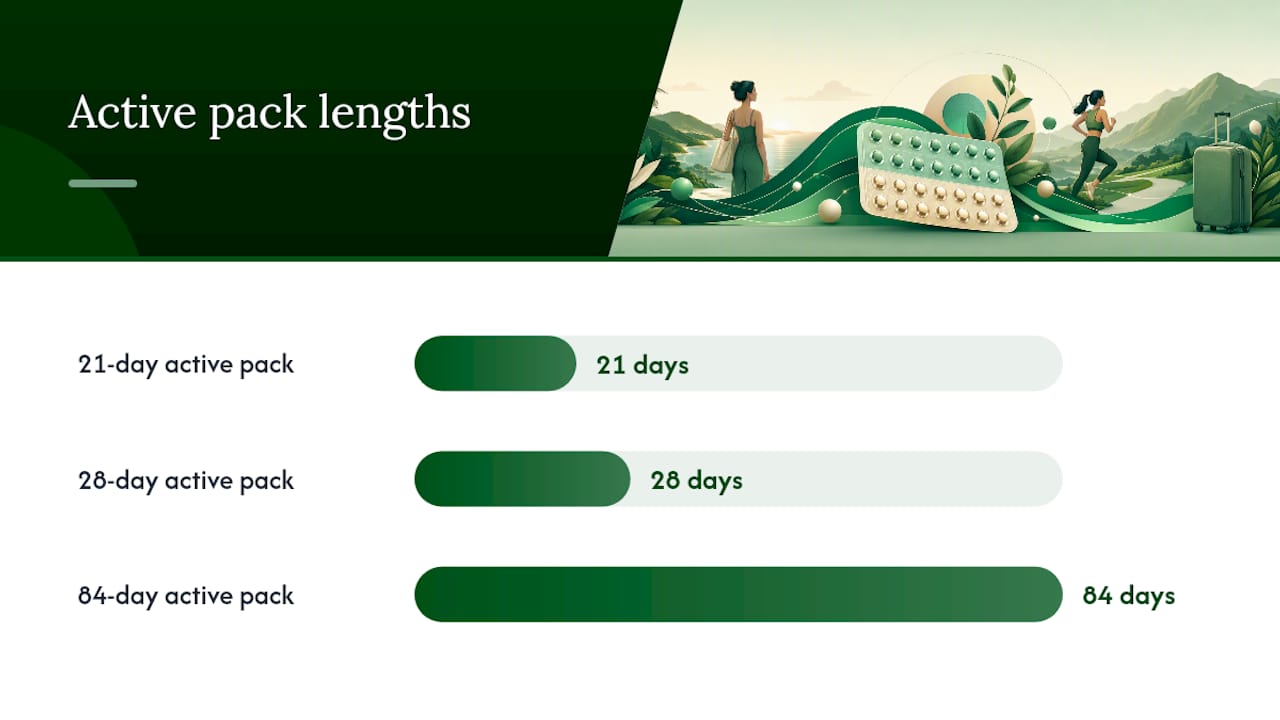
For 28-day packs, the placebo pills are usually the last 4–7 pills in the pack (often a different color). Skip that entire row and move directly to the next pack’s Day 1 active pill.
These FDA-approved extended-cycle formulations are already designed to give you only four periods per year. You take 84 active pills, then 7 low-dose estrogen or placebo pills. To skip the bleed entirely, ask your prescriber to write a continuous-use order so you skip the 7-day inactive phase and go straight to the next 84-day active phase.
Amethyst is a continuous norethindrone acetate/ethinyl estradiol pill taken every day with no placebo week built in. You simply take one pill daily, indefinitely. No skipping required — the regimen is already designed for it.
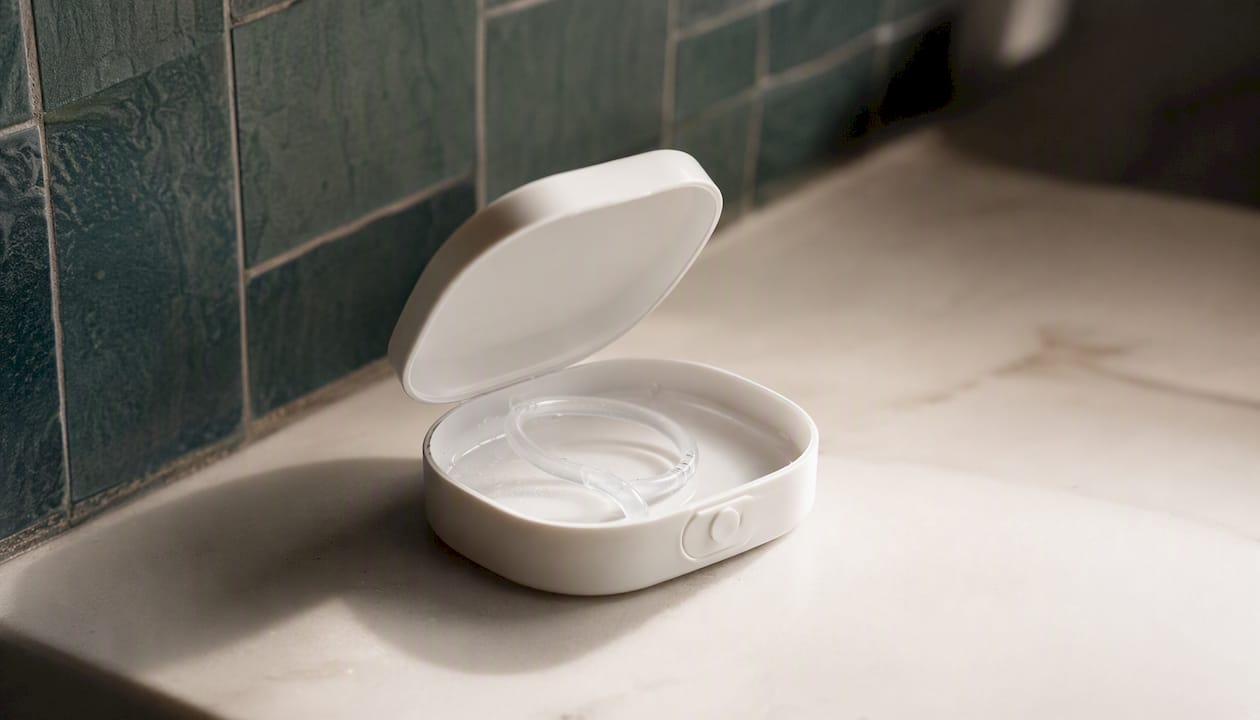
Insert the ring and leave it in for 4 weeks. Instead of removing it and waiting 1 week before inserting a new one, remove it and insert a fresh ring the same day. No hormone-free interval means no withdrawal bleed. Mayo Clinic notes the ring can be a practical choice for continuous use because it sidesteps daily pill compliance entirely.
The patch (worn for 3 weeks, off for 1 week per cycle) can theoretically be used continuously, but evidence for this approach is more limited than for pills or the ring. Talk to your clinician before trying it.
Pro Tip: Tell your prescriber exactly this: “I’d like to use my pill continuously to skip periods. Can you write the prescription for [X] active packs at once and note continuous use in the instructions?” This phrasing prompts the right script and helps the pharmacy dispense the quantity you actually need.
Not every hormonal method works the same way for period suppression. Here’s what to expect from each, based on Ohio State Wexner Medical Center clinician guidance:
Combined oral contraceptives (COCs) The most flexible option for period skipping. Any monophasic combined pill (same hormone dose every active day) can be used continuously. Multiphasic pills (varying doses across the pack) are harder to stack — ask your clinician which formulation you have.
Extended-cycle pills Seasonique-style regimens and Jolessa are built for four periods per year. Amethyst eliminates the scheduled bleed entirely. These are the cleanest option if you want a prescription written specifically for period suppression.
Vaginal ring Continuous ring use (replace every 4 weeks, no break) is well-supported and avoids the daily pill burden. Good option if pill compliance is a concern.
Hormonal IUDs (Mirena, Liletta, Kyleena) These don’t give you on-demand period control, but they often reduce or eliminate bleeding over time. About half of hormonal IUD users report little or no bleeding after the first year. You can’t “skip” a period the way you can with pills, but many users naturally stop having periods.
Depo-Provera (injectable) The progestin-only injection commonly leads to no periods at all after roughly 12 months of use. Again, not on-demand control, but a reliable path to amenorrhea for many patients.
Implant (Nexplanon) Bleeding patterns are unpredictable — some people bleed less, some more, and some irregularly. Not a reliable method if your goal is controlled period skipping.
Progestin-only pills (mini-pill) Not typically used for period skipping. Bleeding patterns vary widely and the method requires stricter timing than combined pills.
Key point: if your goal is deliberate, on-demand period suppression, combined oral contraceptives or the vaginal ring give you the most control. IUDs, Depo-Provera, and implants may reduce or eliminate bleeding, but the outcome is less predictable and not something you can time around a vacation or event.
The short answer: yes, for most people using hormonal contraception, skipping periods is medically acceptable. The American College of Obstetricians and Gynecologists (ACOG) states there is no physiological need for a monthly withdrawal bleed. That monthly bleed isn’t a “real” period — it’s a withdrawal bleed caused by stopping hormones, a feature that was originally included to make the pill feel more natural, not because it serves a medical purpose.
Continuous or extended regimens are also used clinically to manage heavy bleeding, anemia, endometriosis, and painful periods.
Who should not use continuous hormonal contraception without careful clinician review:
Pro Tip: If you’re not sure whether you have any of these contraindications, a telehealth visit is the fastest way to get a clinician review — no waiting room required. A telehealth contraception consultation can confirm your eligibility and get a prescription sent to your pharmacy the same day.
Drug interactions also matter. Certain anti-seizure medications (rifampin, some anticonvulsants) reduce hormonal contraceptive effectiveness. Tell your prescriber every medication and supplement you take.
Breakthrough bleeding is the most common reason people stop continuous pill use early. Here’s what the timeline typically looks like:
| Phase | What’s Happening | What to Do |
|---|---|---|
| Months 1–3 | Spotting or light bleeding is common as the uterine lining adjusts | Stay on schedule; spotting usually improves on its own |
| Months 3–6 | Bleeding episodes become less frequent for most people | Track episodes; consider a 3–4 day hormone-free break if bleeding is persistent |
| 6+ months | Many people achieve minimal or no bleeding | Continue as prescribed; reassess with clinician annually |
Mayo Clinic recommends tracking breakthrough bleeding on a calendar to see whether it improves over time. If spotting is persistent and disruptive, a short planned hormone-free break of 3–4 days can trigger a withdrawal bleed and often “resets” the lining before you resume continuous dosing. This is a clinically accepted tactic, not a failure of the method.
Other common side effects and what they mean:
When to consider switching back to cyclic dosing: If breakthrough bleeding persists beyond 6 months, is heavy, or is accompanied by pain, that’s a signal to reassess. Persistent irregular bleeding can sometimes indicate an underlying issue unrelated to the pill — infection, a structural change, or another condition worth ruling out.
Pro Tip: A period tracker planner makes it easy to log spotting episodes and share a clear pattern with your clinician, which speeds up decisions about whether to adjust your regimen.
Continuous pill use burns through active packs faster than a standard cyclic schedule. If your prescription is written for one pack per month, you’ll run out of active pills before your next refill is due. That gap breaks the regimen and can trigger a bleed — or worse, leave you without contraceptive coverage.
What to ask your clinician:
Pharmacy and insurance checklist:
Telehealth checklist — what to have ready:
Pro Tip: In your telehealth message or visit, say: “I want to use my pill continuously to skip periods. I’ll need enough active packs to avoid a gap — can you write the prescription for [3 packs] and note continuous use?” Clinicians who see this phrasing know exactly what to write, and it reduces the chance of a pharmacy substitution or authorization delay.
FitRx’s birth control telehealth service connects you with licensed providers who can review your history, write the right prescription, and arrange delivery — without a waiting room.
Most breakthrough bleeding is benign and resolves on its own. But some symptoms need prompt attention.
Go to urgent care or an emergency room immediately if you have:
Call your clinician within 24–48 hours if:
On pregnancy testing: Missing active pills for more than 48 hours at the start of a new pack reduces contraceptive protection. If you’ve had unprotected sex during that window, take a pregnancy test before resuming continuous dosing.
When bleeding may signal something else: Persistent irregular bleeding on continuous pills can occasionally reflect an infection (bacterial vaginosis, STI), a cervical or uterine polyp, or another structural issue. If your clinician has ruled out pill-related causes and bleeding continues, a pelvic exam or ultrasound is the appropriate next step — not just another pack.
The most common complaint about continuous pill use isn’t the spotting. It’s the prescription gap. Someone plans a trip, gets a 28-day pack, skips the placebos as instructed — and then runs out of active pills two weeks before their next refill is due. The pharmacy won’t dispense early without prior authorization. The clinician’s office takes three days to respond. The trip starts anyway, and the regimen breaks.
That gap is entirely preventable, and it almost never gets addressed in the standard “here’s how to skip your period” article. The clinical guidance is sound. The execution fails at the pharmacy counter.
The second thing worth saying: a lot of people still believe skipping periods is somehow “unnatural” or that blood will accumulate if they don’t bleed monthly. Ohio State clinicians address this directly — withdrawal bleeding is a response to stopping hormones, not a physiological cleanse. The monthly bleed was built into the original pill design for social acceptance, not medical necessity. Choosing fewer or no bleeds is a legitimate, evidence-supported preference.
What actually matters: knowing your contraindications, getting the prescription written correctly the first time, and having enough active packs on hand before you need them. The rest is straightforward.
Getting a continuous-use prescription written correctly, covered by insurance, and delivered to your door is where most people hit friction. FitRx removes that friction. You complete a short online visit with a licensed provider who reviews your history, confirms you’re a good candidate for continuous hormonal contraception, and writes the prescription with the right quantity and dosing notes — so the pharmacy dispenses what you actually need.

No waiting rooms, no repeated calls to a clinic. Your prescription ships directly to you, and the FitRx app keeps your refill schedule on track so you never hit a mid-regimen gap. If you have questions between visits, licensed support is available through the app.
Start your birth control consultation with FitRx today and get a prescription plan that works for how you actually want to live.
This article is general information, not a substitute for advice from a qualified doctor. Consult a qualified healthcare professional about your own circumstances before acting on anything here.
These are the primary references behind the clinical guidance in this article:
No. ACOG confirms there is no physiological need for a monthly withdrawal bleed, and continuous or extended hormonal contraceptive use is medically acceptable for most people. It’s also used clinically to manage heavy bleeding and anemia.
Yes. Breakthrough bleeding, especially in the first 1–3 months of continuous use, is common. It usually decreases over time; if it persists beyond 6 months or is heavy, contact your clinician.
If you skip the placebo pills and start the next active pack immediately, you should not get a withdrawal bleed that cycle. Some light spotting may still occur in the first few months as your body adjusts.
There is no reliable non-hormonal method to delay a period. Hormonal contraception, specifically combined oral contraceptives or a continuous vaginal ring, is the only clinically supported approach. “Natural” methods like diet changes or exercise have no evidence behind them for period delay.


.svg)