Eat protein first, at scheduled small meals, and build the rest of your plate around non-starchy vegetables and modest portions of whole grains. Skip high-fat, fried, very spicy, or heavily sugared foods, since they tend to sit poorly once semaglutide slows your gut down. This one habit does two things at once: it protects your muscle while you lose fat, and it cuts your odds of nausea. The templates and sample plan below turn that single rule into something you can actually cook.
TL;DR:
- Consuming small, protein-rich meals around non-starchy vegetables helps protect muscle mass and reduces nausea during semaglutide treatment.
- High-fat fried, spicy, sugary, or heavy alcohol foods should be avoided as they worsen gastrointestinal discomfort and spike blood sugar.
- Protein intake should be increased beyond the RDA, aiming for about 15 to 30 grams per meal, with emphasis on foods like Greek yogurt, eggs, and canned fish.
- Supporting hydration and fiber intake through slow increases, while avoiding dehydration, constipation, and nutrient deficiencies, is crucial for long-term management.
- Sticking to predictable, rotated meal templates like shakes, bowls, and protein plates enhances compliance and prevents decision fatigue in the diet plan.
Semaglutide works by slowing gastric emptying and dialing down appetite, sometimes reducing total food intake by roughly 30 to 50 percent in people who respond well to it. That sounds like great news for the scale, but it creates a real problem: when you’re eating a third less food, every bite has to work harder nutritionally. There’s no room left for empty calories.
That’s why the foundation of any semaglutide diet plan is high-protein, low-volume foods. Think Greek yogurt, cottage cheese, eggs, canned salmon or tuna, tofu, and a quality protein powder for days when solid food feels like too much. These deliver 15 to 30 grams of protein in a small serving, which matters enormously when your stomach fills up after half a normal plate.
Beyond protein, round out meals with:
Nutrient density isn’t a nice idea here. It’s the entire strategy, because you genuinely cannot afford to waste calories on food that doesn’t feed your muscles or your micronutrient needs.
The foods that give people the most trouble on semaglutide are high-fat fried items, very spicy dishes, sugary drinks and desserts, and heavy alcohol use. All four share a common thread: they either slow digestion further, irritate a stomach that’s already emptying at a crawl, or spike blood sugar in a way that fights against what the medication is trying to do.
Fried food is the biggest offender. Fat delays gastric emptying on its own, and semaglutide is already doing that job for you, so the combination often means nausea, bloating, or reflux within an hour of eating. Spicy foods aggravate a slower-moving gut. Sugary drinks and desserts cause blood sugar swings that feel worse than usual once your eating volume has dropped.
Simple swaps solve most of this:
Manufacturer guidance for Wegovy and Ozempic points in the same direction: bland, lower-fat choices consistently cause fewer GI complaints than rich or fried meals.
Most sedentary adults are told to aim for the RDA of about 0.8 grams of protein per kilogram of body weight. That number is too low for anyone losing weight on semaglutide. Mayo Clinic Press recommends prioritizing protein and nutrient density precisely because smaller appetites leave less room for anything else, and skipping this step means a larger share of the weight you lose comes from muscle instead of fat.
A practical target is around a moderate amount of protein per meal, three to four times a day. That’s roughly:
Micronutrients deserve attention too. Watch iron, vitamin B12, vitamin D, and calcium, since reduced food volume can mean reduced intake of all four over time. If you notice fatigue, hair changes, or brittle nails months into treatment, ask your provider about a basic blood panel before assuming it’s unrelated.
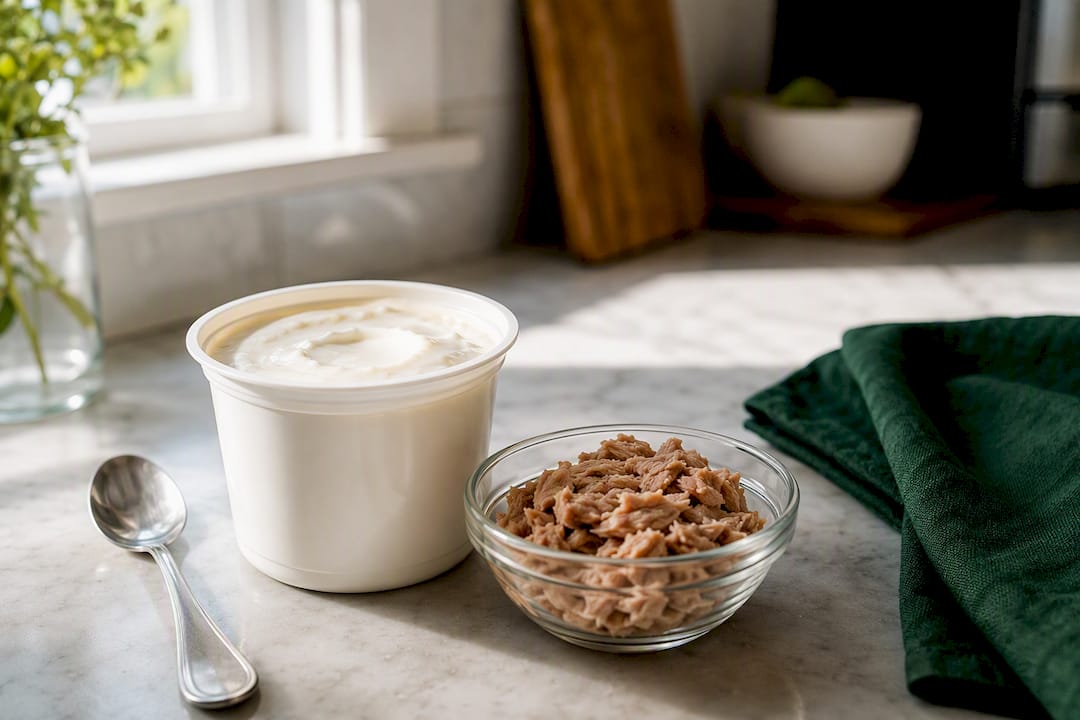
Pro Tip: Keep a protein source visible on the counter, a can of tuna, a tub of yogurt, so on low-appetite days you default to it instead of skipping the meal entirely.
Side effects tend to cluster in a predictable window: the 24 to 48 hours after an injection and the first week or two after any dose increase. Knowing that pattern lets you plan around it instead of being surprised by it every time.
On a bad day, aim for what is sometimes called minimum viable nutrition rather than forcing a full meal. The goal is to stay hydrated and get some protein in, even if that means a shake instead of dinner.
FDA labeling for semaglutide products documents nausea and constipation as common adverse reactions, and recommends supportive dietary measures rather than pushing through with regular meals. For constipation specifically, increase fiber gradually over one to two weeks, pair every fiber increase with more water, and call your provider if you go more than three days without relief. A detailed side-effect resource can help you map symptoms to timing before they catch you off guard.
Forget elaborate recipes. The system that actually sticks is scheduled eating, protein first, across three to four smaller occasions a day. Set a phone alarm if you have to. Appetite suppression makes it easy to forget meals entirely, and skipping too many in a row backfires by triggering overeating once hunger does show up.
Three templates cover almost every situation:
A compact way to use these, borrowed from the structure behind most dietitian-built semaglutide meal plans, is to rotate rather than reinvent:
Rotating two or three templates removes the decision fatigue that derails most people’s semaglutide meal plan by week three.
GLP-1 medications blunt thirst signals, so you can’t rely on feeling thirsty to remind you to drink. A simple check: pale yellow urine usually means you’re drinking enough; darker urine means catch up. Many adults on semaglutide are advised to aim for adequate daily fluid intake based on body weight, adjusted with a provider’s input if you have kidney or heart conditions.
Fiber needs the same careful pacing. Ramping up too quickly on a gut that’s already moving slowly tends to backfire into bloating and constipation instead of preventing it. Increase fiber over one to two weeks, not overnight, and add fluids alongside it.
Pro Tip: Warm broth-based soup solves two problems at once on rough days, hydration and a little sodium to settle your stomach.
Diet alone won’t protect your muscle. Pair your protein-first eating pattern with resistance training at least twice a week, using bodyweight moves, resistance bands, or basic compound lifts like squats and rows. The CDC’s physical activity guidelines treat this frequency as a baseline for maintaining muscle and metabolic health during any weight-loss program, medically supported or not.

Have a protein-containing snack within an hour or two of training. On high-nausea days, scale back intensity rather than skipping activity altogether. A short walk still counts.
Some telehealth services combine semaglutide prescribing with coaching on nutrition, activity, and sleep, delivered through virtual consults and app-based support. That structure matters most on the two subtopics that trip people up: protein targets, and knowing which micronutrients to watch. Patients can flag GI symptoms early and get supervised guidance on adjusting food intake, hydration, and dosing pace rather than guessing alone. Prescriptions ship directly, so care and nutrition support stay connected in one platform.
Timing matters almost as much as quantity. Since semaglutide already slows the rise in blood sugar after meals, pairing carbohydrates with protein and fiber, rather than eating them alone, smooths out the response even further and helps you avoid the energy crashes some people report mid-afternoon.
The most reliable pattern is to place your carbohydrate portion in the same meal as your protein source instead of grazing on starchy snacks between meals. A half cup of quinoa alongside grilled chicken and vegetables produces a much gentler blood sugar curve than the same amount of quinoa eaten plain.
Morning carbohydrates also tend to be handled better than late-evening ones, largely because activity throughout the day helps use that glucose rather than letting it sit. If mornings bring more nausea, a smaller carbohydrate portion at breakfast, like half a slice of toast instead of a full bagel, and a slightly larger one at lunch once your stomach has settled, often works better than forcing a big breakfast.
Skip sugary cereals, pastries, and juice, which spike blood sugar quickly and then drop it just as fast. Whole grains, legumes, and fruit with skin on all release glucose more slowly and cause fewer swings, which matters even more when you’re eating smaller total volumes and have less buffer to absorb a sugar crash.
Appetite suppression is the entire point of semaglutide, but it creates a real risk: portions that shrink so far they stop covering your actual nutritional needs. The fix isn’t eating more overall. It’s making every portion count more.
Start by resizing your plate mentally, not just physically. A meal that once filled a dinner plate might now fit on a salad plate, and that’s fine, as long as protein still takes up the largest share of it. Aim for protein to fill roughly a third to a half of whatever your new, smaller plate holds, with vegetables and a modest starch filling the rest.
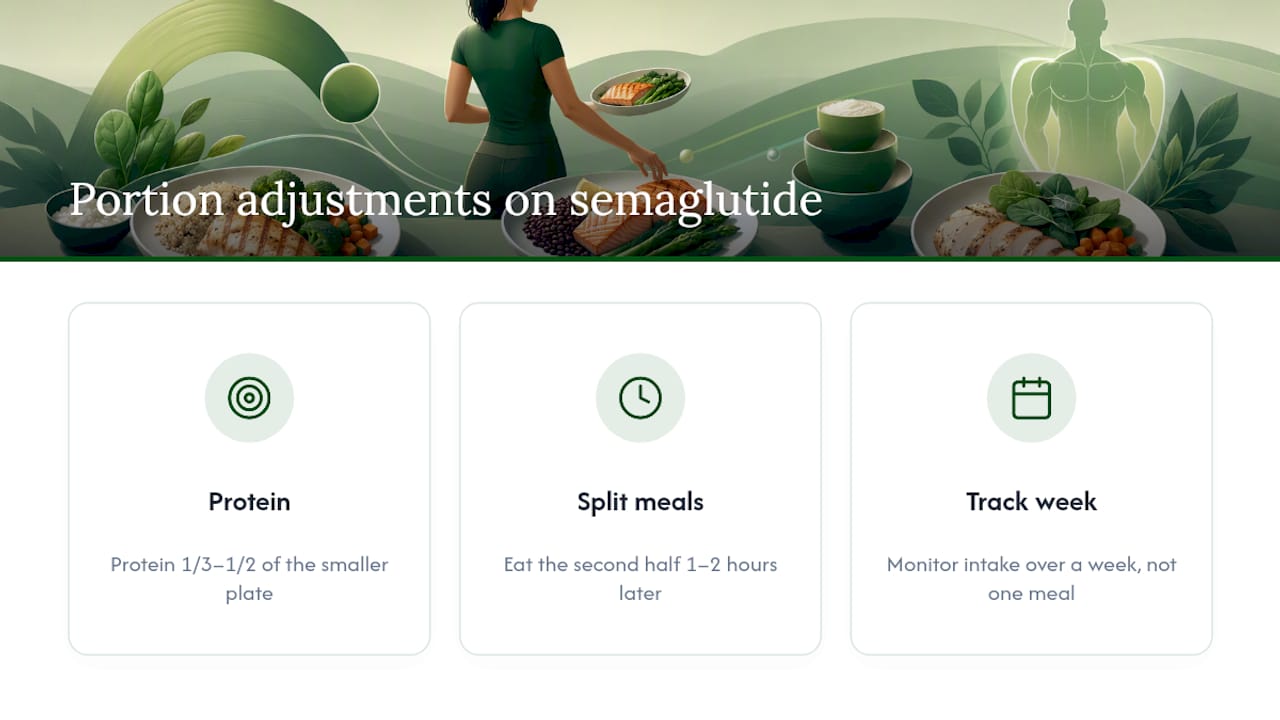
Watch for the trap of shrinking protein along with everything else. It’s tempting to take a smaller version of your old meal proportionally, but that means the protein portion drops too, and that’s exactly the piece you can’t afford to lose. Keep protein portions closer to their original size even as vegetables and grains shrink around them.
If you’re consistently unable to finish even a small meal, split it in two and eat the second half an hour or two later rather than forcing it all at once. This keeps total daily intake reasonable without triggering the nausea that comes from pushing past your comfort point. Track how you feel over a week, not a single meal. Appetite fluctuates day to day, especially around dose changes, and a single skipped dinner isn’t a problem if the pattern over several days still includes adequate protein and fluids.
Semaglutide doesn’t directly block nutrient absorption in the gut, but the sharp drop in food volume it causes creates the same practical effect: less food means less opportunity to take in iron, B12, vitamin D, calcium, and other micronutrients your body needs every day.
Slowed gastric emptying can also affect how quickly some nutrients and medications move through your system, which is one more reason to space out any supplements or other prescriptions rather than taking everything at once on an empty, slow-moving stomach. If you take iron or calcium supplements, check with your provider about timing them apart from other medications, since both can interact with absorption of other nutrients and drugs when taken together.
The practical fix is the same nutrient-density approach that governs the rest of this diet: choose foods that pack more vitamins and minerals per bite, and don’t assume a “normal” diet at a smaller volume, is delivering normal amounts of everything. Fortified dairy or plant milk covers vitamin D and calcium in a small serving. Canned fish and eggs cover B12. Leafy greens and legumes contribute iron, though it’s less easily absorbed than the iron in meat.
If you notice fatigue, hair thinning, or dizziness that doesn’t resolve after a few weeks of steady eating, that’s worth raising with your provider rather than dismissing as a normal side effect. A basic panel checking B12, vitamin D, iron, and ferritin takes one visit and settles the question either way.
Consistency beats perfection every time I’ve seen this diet succeed. Pick two or three meal templates you genuinely like, rotate them, and don’t overthink the rest. If side effects turn severe, dehydration, inability to keep food down, or constipation that won’t resolve, call your provider rather than waiting it out.
— Bryan
A first visit with a telehealth provider typically includes reviewing your health history and goals, then building a treatment plan that pairs semaglutide with nutrition coaching, protein targets, meal timing, and side-effect management. You’re not left to figure out portion sizes or micronutrient gaps alone.

Medication may ship to your door, and ongoing support can be provided through an app to help you flag nausea, constipation, or appetite changes as they happen instead of waiting for a follow-up appointment. If you’ve been managing side effects on your own or wondering whether your current approach is actually protecting your muscle mass, find out if a supervised weight loss program is the right next step for you.
This article is general information, not a substitute for advice from a qualified doctor. Consult a qualified healthcare professional about your own circumstances before acting on anything here.
A protein-first diet built around lean meats, eggs, dairy, and non-starchy vegetables, eaten in small, scheduled meals, works best because it protects muscle mass while limiting the nausea that comes from fatty or heavily processed foods.
Weight loss speed varies by dose, individual response, and how closely someone follows nutrition guidance, so there’s no fixed timeline. Anyone targeting a specific goal should discuss realistic pacing with their prescribing provider based on their treatment plan.
Avoid pairing semaglutide with heavy alcohol use, high-fat fried meals, or very spicy foods, since all three tend to intensify nausea and reflux by slowing digestion even further. Check with your provider before combining it with other medications that affect gastric emptying.
Yes, eggs are one of the better protein choices on a semaglutide diet, since they deliver 6 grams of protein per egg in a small, easy-to-tolerate serving that rarely triggers the nausea associated with fattier foods.

.svg)