Treat rosacea according to its dominant phenotype: topical ivermectin or azelaic acid for bumps and pustules, brimonidine or oxymetazoline for stubborn redness, and low-dose doxycycline when the skin needs systemic backup. Start today with a gentler routine and broad-spectrum SPF 30+ sunscreen, since both cut flare frequency regardless of which medication comes next. From there, a clinician typically layers in one or two prescription treatments based on what you actually see in the mirror, not a one-size-fits-all regimen.
A few starting points worth knowing before your first visit:
Call a clinician sooner rather than later if you notice eye irritation, grittiness, or crusted eyelids, or if a flare is severe enough to disrupt daily life. Ocular symptoms in particular are not something to manage on your own.
Effective rosacea management matches medication to your dominant phenotype, commits to at least 8 to 12 weeks per step, and layers in daily photoprotection and trigger avoidance throughout.
| Point | Details |
|---|---|
| Match treatment to phenotype | Use ivermectin for papules and pustules, brimonidine or oxymetazoline for persistent redness. |
| Give topicals time | Meaningful improvement typically takes 2 to 3 months of consistent daily use. |
| Escalate systematically | Add 40 mg doxycycline for inadequate topical response before considering isotretinoin or procedures. |
| Never use steroids on the face | Topical steroids can trigger rebound rosacea-like dermatitis once stopped. |
| Watch for ocular symptoms | Grittiness, crusting, or vision changes warrant prompt medical or ophthalmology attention. |
| Use telehealth for the maintenance work | FitRx builds phenotype-based plans and ships prescriptions, while referring out procedural or urgent eye care. |
Rosacea is not one disease with one fix. It shows up as flushing, persistent redness, visible blood vessels, inflammatory bumps, or thickened skin around the nose, and often some combination of these. Dermatology consensus groups now organize treatment around which of these “phenotypes” dominates your case, then build a plan around that instead of prescribing the same cream to everyone with a red face. The AARS consensus on rosacea management specifically recommends defining a patient’s clinical manifestations first and matching therapy to those signs, layering in combination treatment when a single agent falls short.
For papules and pustules, topical ivermectin 1% cream applied once daily is usually the first choice. Clinical reviews found it carries a favorable number needed to treat and tends to be better tolerated than metronidazole, which remains a reasonable alternative, especially for patients who react to ivermectin’s vehicle. Azelaic acid gel or foam works through a different mechanism and suits patients who want to also address mild textural changes, though it can cause more initial stinging on compromised skin barriers.
Persistent erythema, the background redness that never fully fades, needs a different tool entirely. Brimonidine (an alpha agonist) and oxymetazoline (an alpha-adrenergic agonist) both constrict superficial blood vessels and can visibly reduce redness within hours of application. The catch: daily use in some patients triggers rebound flushing once the effect wears off, so many clinicians recommend event-based dosing rather than daily reliance, according to Mayo Clinic’s rosacea treatment guidance.
When topicals alone aren’t enough, subantimicrobial-dose doxycycline at 40 mg becomes the standard oral add-on. This dose works through an anti-inflammatory mechanism rather than an antibiotic one, which matters because it avoids the resistance concerns of full-dose antibiotics. Clinical standards typically call for about 8 to 12 weeks before reassessing effectiveness.
A typical escalation pattern looks like this:
Isotretinoin enters the conversation for severe, treatment-resistant cases or early phymatous changes, but it requires strict pregnancy prevention protocols since it’s a known teratogen. Anyone who could become pregnant needs reliable contraception confirmed before starting, and monthly monitoring throughout treatment.
Statistically speaking: patient-facing guidance from NIAMS notes that topical treatments may show slight improvement within 3 to 4 weeks, but meaningful, noticeable change typically takes a couple of months of consistent use. That timeline matters more than most patients expect. Stopping a topical after three weeks because “nothing’s happening” is the single most common reason treatment plans fail before they’ve had a fair chance.
Combination therapy, running a topical and an oral agent together, generally gets patients to visible improvement faster than either alone, and it’s increasingly the default for moderate to severe cases rather than the exception.
Every rosacea patient has a personal trigger profile, and figuring out yours is arguably more useful long-term than any single prescription. Keep a simple trigger diary for four to six weeks: log flares alongside food, drink, weather, stress, and skincare products used that day. Once a pattern emerges, test it with a controlled re-challenge, avoid the suspected trigger for two weeks, reintroduce it once, and watch what happens over the next 24 to 48 hours.
Common triggers worth tracking include:
UV exposure and diet stand out as the most consistently reported triggers across patient populations, according to research on rosacea trigger management, which is exactly why daily broad-spectrum sunscreen isn’t optional for rosacea skin. It’s foundational, the same way brushing your teeth is foundational to dental care.
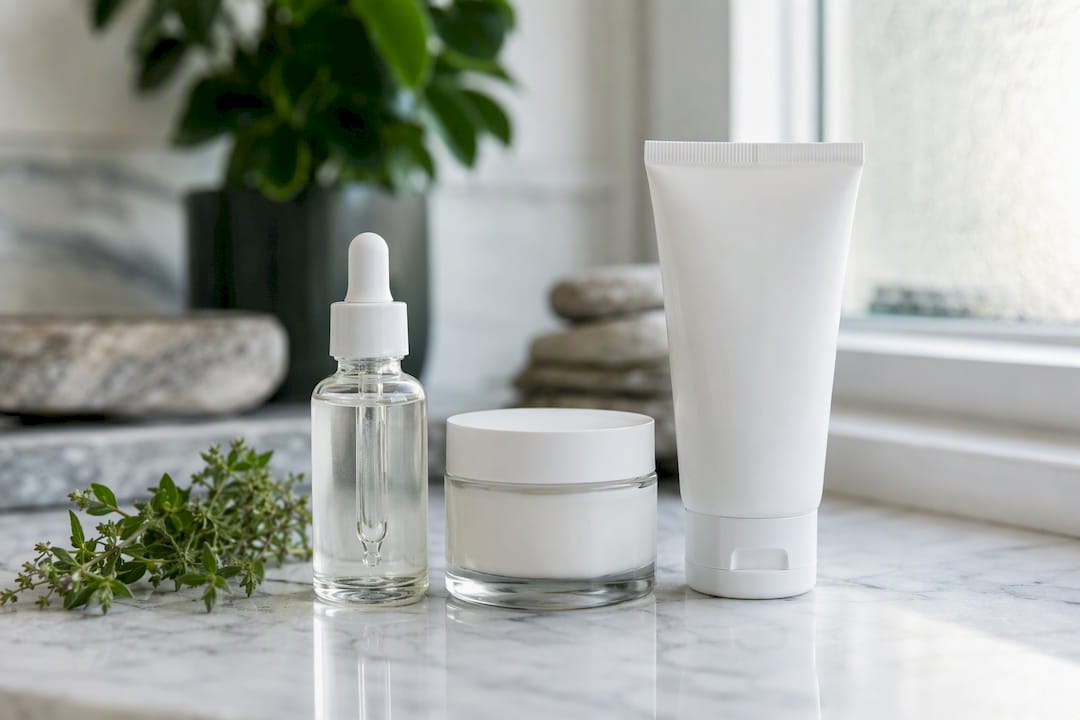
Your daily routine should stay deliberately simple: a fragrance-free gentle cleanser, a barrier-supporting moisturizer, and broad-spectrum SPF 30+ every morning regardless of season or cloud cover. Apply sunscreen as the last step in your morning routine and reapply if you’re outdoors for extended periods. Avoid physical scrubbing, alcohol-based toners, and exfoliating acids stronger than what your dermatologist specifically recommends.
One safety note deserves its own paragraph: never use over-the-counter topical steroids on rosacea-prone facial skin. They can feel like they’re working at first, calming redness within days, but they often trigger a rebound phenomenon called steroid-induced rosacea-like dermatitis once stopped, according to clinical reviews on topical steroid risks. That rebound is frequently worse than the original flare and can take months to resolve.
Pro Tip: Introduce one new skincare product at a time, and wait at least two weeks before adding another. Rosacea skin reacts slowly, so layering three new products at once makes it nearly impossible to identify which one caused a flare.
Medications control inflammation, but they don’t erase blood vessels that are already visibly dilated. That’s where lasers and light-based devices come in, and they’re often the only way to meaningfully reduce telangiectasia (the small, visible surface vessels) or diffuse redness that persists between flares.
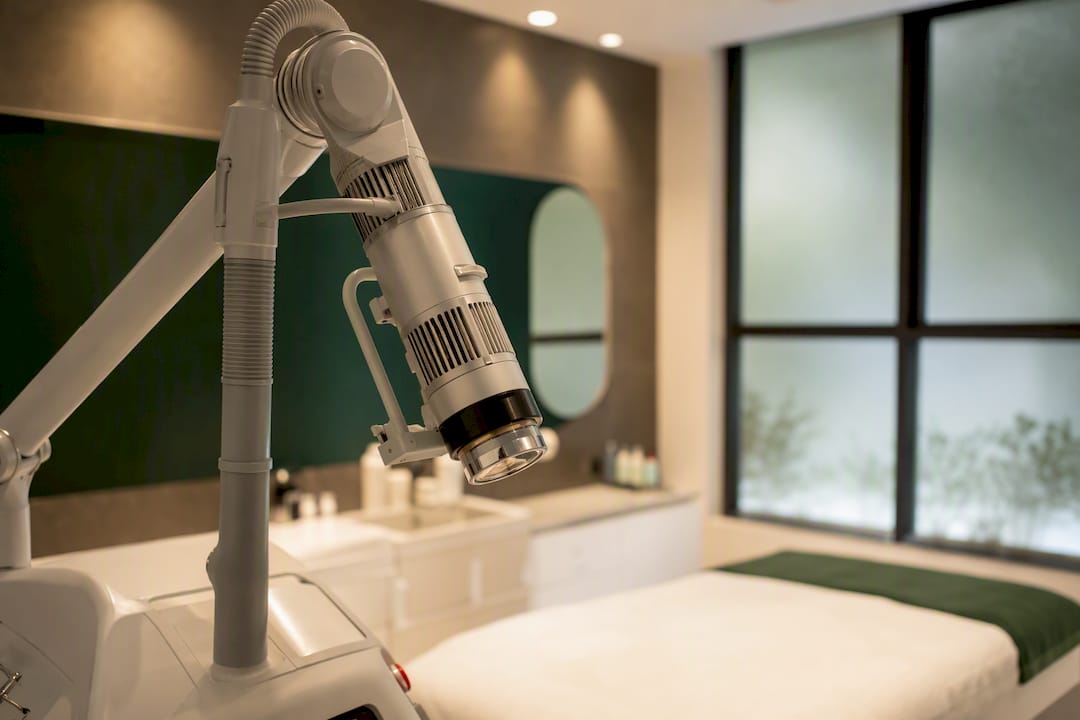
Pulsed dye laser (PDL, 585 to 595 nm) targets hemoglobin in blood vessels directly and is considered one of the more precise options for isolated visible vessels. Nd:YAG lasers penetrate deeper and suit thicker or darker skin better, since they carry lower risk of pigment change. Intense pulsed light (IPL) treats broader areas of diffuse redness in one pass but requires more caution in deeper skin tones, since patients with more melanin face higher risk of pigmentary changes with these devices, a point that dermatology guidance for skin of color emphasizes directly.
What to expect from procedural treatment:
For phymatous rosacea, the thickened, bumpy skin texture that develops most often around the nose (rhinophyma), ablative CO2 laser resurfacing or surgical debulking can restore more normal contour once the tissue has hardened past what topical or oral medication can reverse. That’s a dermatology referral, not a primary care conversation. Set expectations early: procedures manage visible vascular damage, they don’t replace the daily medication and trigger-avoidance work that keeps new redness from forming.
Roughly half of rosacea patients develop some degree of eye involvement, and it’s frequently overlooked because it doesn’t look like the classic facial redness people associate with the condition. Watch for dryness, a gritty or foreign-body sensation, eyelid redness, or crusting along the lash line, especially upon waking.
Home and medical management typically follows this order:
Seek ophthalmology care urgently if you notice vision changes, significant eye pain, or light sensitivity that doesn’t improve with basic care. Ocular rosacea left unmanaged can, in rare cases, threaten the cornea, so this is one area where waiting to “see if it gets better” carries real risk.
Walking into a dermatology visit with a framework already in mind makes the conversation faster and the plan more precise. Here’s a template to bring with you.
Track progress with monthly photos taken in consistent lighting, a simple symptom diary noting flare frequency and severity, and a side-effect checklist if you’re on doxycycline or isotretinoin (watch for GI upset, sun sensitivity, or, for isotretinoin, mood changes and dryness).
Pro Tip: Take your progress photos at the same time of day, ideally morning before makeup, using your phone’s front camera in natural window light. Inconsistent lighting makes it nearly impossible to judge real improvement over months.
Adherence tends to break down around week four or five, right before topical treatments start showing real results. Knowing that in advance helps you push through the gap instead of assuming the medication has failed.
Not every rosacea case needs a specialist, but certain signs mean it’s time to escalate beyond routine care.
Bring recent photos showing flare patterns over time, a list of every product and medication you’ve tried (including duration and results), and specific questions about which phenotype the specialist sees as dominant in your case.
Much of a rosacea treatment plan involves prescribing and adjusting topical or oral medication, reviewing photos, and troubleshooting adherence, all of which suit a virtual visit well. Online dermatology consultations let a licensed provider assess phenotype from photos, prescribe ivermectin, azelaic acid, or doxycycline, and adjust the plan based on your symptom diary without an in-office visit.
Telehealth generally handles well:
In-person care remains necessary for:
A virtual visit works best as the entry point and maintenance engine for a rosacea plan, handling the medication management that makes up most of long-term care, while referring out the procedural and urgent pieces that genuinely need hands-on evaluation.
Rosacea doesn’t get “cured” in the way a course of antibiotics cures an infection. It gets managed, sometimes for decades, with periods of quiet skin and periods that need more attention. Patients who do best long-term aren’t the ones with the most aggressive regimen. They’re the ones who track their flares honestly, stick with a plan through the slow first two months, and treat their clinician as a partner rather than a one-time fix. Expert perspectives on long-term rosacea management consistently point to adherence and realistic goal-setting as bigger predictors of success than which specific medication someone starts on. Give the process room to work before judging it.
— Bryan
FitRx puts a phenotype-guided rosacea plan together the same way a dermatology visit would, minus the scheduling delay and office wait. You complete an online visit describing your symptoms and flare patterns, a licensed provider builds a plan around what your skin actually shows, whether that’s ivermectin for inflammatory bumps or a redness-focused approach, and your prescription ships directly to you.

Ongoing support runs through the FitRx app, so adjusting your regimen at the 8 to 12 week mark doesn’t require booking another appointment from scratch. This model handles the medication management, dose adjustments, and trigger counseling that make up the bulk of a rosacea plan. It won’t replace an in-person visit for laser treatment or urgent eye symptoms, and FitRx will tell you plainly when that’s the case. For everything else, from that first topical prescription to long-term maintenance, you can start an online visit and get a plan built around your specific phenotype.
This article is general information, not a substitute for advice from a qualified doctor. Consult a qualified healthcare professional about your own circumstances before acting on anything here.
There isn’t one universal “most successful” treatment since success depends on phenotype, but topical ivermectin consistently performs well for inflammatory papules and pustules, while brimonidine or oxymetazoline works best for persistent redness.
The most effective approach combines phenotype-specific medication (topical or oral) with daily trigger avoidance and broad-spectrum SPF 30+ sunscreen, since medication alone without trigger control tends to produce shorter-lived results.
UV exposure is one of the most consistently reported triggers across rosacea patients, alongside spicy foods, alcohol, and temperature extremes, which is why daily sun protection is considered foundational rather than optional.
There’s no single national approach that cures rosacea, since it’s a chronic condition managed rather than eliminated anywhere. Effective management everywhere relies on the same core principles: gentle skincare, consistent sunscreen use, trigger avoidance, and phenotype-appropriate medication from a licensed provider.


.svg)