A practical GLP-1 diet comes down to three priorities: protein at every meal, fiber-rich carbohydrates, and steady hydration, built around smaller, lower-volume portions. Get those right and you’ll preserve more muscle, blunt the nausea and constipation that derail so many people, and actually hit your weight loss goals, instead of white-knuckling through side effects.
Start here today:
Pro Tip: When your appetite tanks, eat your protein first, before vegetables or starches. Once fullness hits, it hits fast, and you don’t want it to arrive before the protein does.
A successful GLP-1 diet depends on hitting protein targets, choosing fiber-rich low-volume foods, steady hydration, and attention to nutrient gaps before they become deficiencies.
| Point | Details |
|---|---|
| Protein first | Aim for 20 to 30 grams per meal and 1.0 to 1.5 g/kg daily to preserve muscle. |
| Hydrate steadily | Sip 2 to 3 liters a day rather than drinking large amounts at once. |
| Avoid common triggers | Limit greasy, spicy, sugary, and ultraprocessed foods that worsen nausea. |
| Watch for deficiencies | Screen for iron, B12, vitamin D, and calcium if calories drop sharply. |
| Get coordinated support | FitRx pairs GLP-1 prescriptions with dietitian guidance and app-based follow-up. |
GLP-1 drugs slow gastric emptying and dial down appetite signals from the brain. This is exactly why they work for weight loss and why they cause nausea, early fullness, and constipation. Food sits in your stomach longer than it used to, so meals that were fine a year ago can suddenly feel heavy or nauseating. The CDC’s guidance on diabetes and digestion notes that GI symptoms are a documented part of managing these conditions, not a sign something’s gone wrong with your treatment.
A joint clinical advisory found people on GLP-1 therapy typically cut caloric intake by 16% to 39%, and a separate meta-analysis pegged average pooled weight reduction at around 10.5%, with most of that benefit showing up in the first 12 to 18 months.
That drop in intake changes how you need to eat:
Every meal should start with protein. The JAMA Internal Medicine patient guidance recommends 20 to 30 grams per meal and roughly 1.0 to 1.5 grams per kilogram of body weight daily for most moderately active adults. That’s the single biggest lever for protecting muscle while you lose fat.
Lean into eggs, Greek yogurt, cottage cheese, canned tuna or salmon, and protein shakes when solid food feels like too much. For carbohydrates, choose fiber-forward options: oats, lentils, berries, and leafy greens digest more slowly and support gut health, which matters when your gut is already working overtime. Cleveland Clinic’s GLP-1 diet guidance points to the same pattern: whole, minimally processed foods over anything packaged.

Hydration deserves its own attention. Aim for 2 to 3 liters daily if you can tolerate it, spread across the day instead of front-loaded. Water-rich foods like cucumber, watermelon, and soup broths help too.
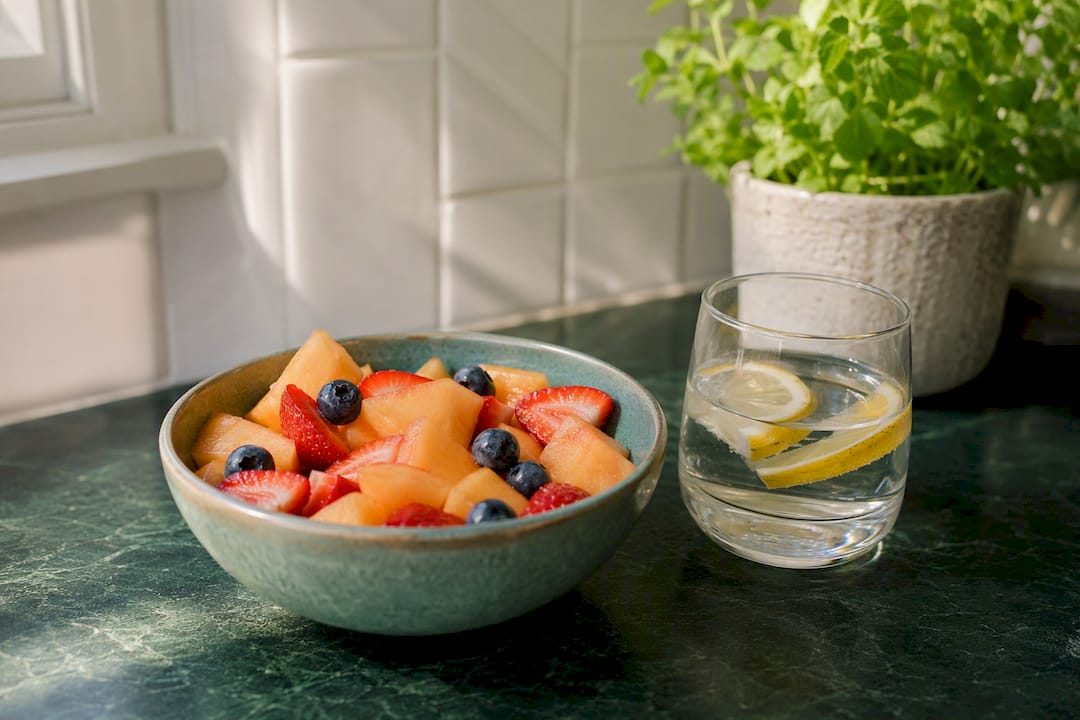
| Meal | Quick, low-volume choices |
|---|---|
| Breakfast | Greek yogurt with berries, or two eggs with spinach |
| Lunch | Canned salmon over a small bed of greens |
| Dinner | Grilled chicken thigh with mashed lentils |
| Snack | Cottage cheese with a few almonds |
Pro Tip: If a full meal feels impossible, a protein shake counts. Getting 25 grams in liquid form beats skipping the meal entirely.
High-fat, greasy foods sit in an already-slowed stomach even longer, which is a fast track to nausea. Very spicy dishes irritate a gut that’s more sensitive than usual. Alcohol dehydrates you on top of appetite suppression that’s already cutting your fluid intake from food. Sugar-sweetened drinks and refined carbs deliver calories without the fiber or protein that actually support your goals, and ultraprocessed snacks tend to be both high-fat and low-nutrient, a rough combination on a GLP-1.
A few practical swaps make this manageable:
None of this means permanent deprivation. It means picking the version of a food that won’t trigger three days of feeling awful.
Pro Tip: Keep a simple note on your phone logging what you ate before a bad symptom day. Patterns show up faster than you’d expect, and that record makes conversations with your prescriber or dietitian far more productive.
Pro Tip: You don’t need to log every calorie. A simple daily count of grams of protein, tracked loosely, tells you more about whether you’re protecting muscle than a full food diary ever will.
A dietitian-designed plan around 1,800 calories a day can still deliver over 100 grams of protein and 34 grams of fiber, proof that low-volume eating and solid nutrition aren’t mutually exclusive.
If appetite drops further, lean harder into liquids: protein shakes, cottage cheese, and nut butter stirred into yogurt all pack protein into small volumes.
Call your prescriber if you experience severe or persistent vomiting, signs of dehydration like dizziness or dark urine, unexplained hair loss, new abdominal pain, or extreme fatigue that doesn’t improve with rest. Reach out to a registered dietitian nutritionist if you suspect you’re falling short on protein or key nutrients, or if weight loss feels faster than expected. Mayo Clinic’s guidance on GLP-1 agonists stresses that combining medication with professional nutritional support improves outcomes and catches problems early.
Most advice treats a GLP-1 diet like a stricter version of a regular diet plan, more rules, more restriction. That’s backward. The real skill is eating less volume while somehow getting more out of every bite, and that requires thinking about food density before you think about food choice.
The mistake I see repeated most often: people focus so hard on avoiding trigger foods that they under-eat protein entirely, then wonder why they feel weak or why the scale shows fat loss but their clothes fit strangely. Muscle loss on a rapid deficit is real, and it’s largely preventable with intentional protein intake, not luck. Formulation choice matters too. Whether someone’s on a daily oral pill or a weekly injection, the research suggests both are broadly comparable in effectiveness, so the deciding factor often comes down to which fits a person’s routine and meal timing better, not which drug is technically stronger. FitRx’s approach leans into that: pairing the medication with actual nutrition guidance from day one, not bolting it on after side effects show up.
Figuring out the right foods is only half the equation. FitRx pairs GLP-1 prescriptions with licensed clinicians, registered dietitian guidance, and app-based check-ins, so you’re not left guessing whether your nausea is normal or your protein intake is falling short.

Instead of managing side effects alone or piecing together advice from forums, you get a treatment plan built around your actual labs, appetite, and goals, with medications shipped directly to your door and ongoing support built into the process. If you’re already on a GLP-1 or considering one, find out if weight loss injections could be right for you and see what a coordinated plan looks like for your situation.
This article is general information, not a substitute for advice from a qualified doctor. Consult a qualified healthcare professional about your own circumstances before acting on anything here.
Protein and fiber-rich foods, along with healthy fats in moderate amounts, stimulate natural GLP-1 release, which is one reason high-protein, high-fiber meals pair so well with GLP-1 medication.
A typical day includes protein at every meal (eggs, Greek yogurt, chicken, fish), fiber-rich carbs like oats or quinoa, and two to three small snacks such as cottage cheese or a protein shake to hit daily targets without large portions.
Timelines vary by person and dose, but meta-analysis data shows most weight loss benefit accumulates over 12 to 18 months, so 20 pounds often falls somewhere in the first few months for many people, depending on starting weight and dose.
No food replicates a GLP-1 medication’s effect, but high-fiber, high-protein foods slow digestion and support satiety in a similar direction, which is why they’re emphasized throughout a GLP-1 diet plan.
Most moderately active adults should aim for 1.0 to 1.5 grams of protein per kilogram of body weight daily, spread across meals in 20 to 30 gram portions.


.svg)