Apply tretinoin at night, only 2 to 3 nights a week to start, and wear SPF 30+ every single morning. That is the whole routine in three moves: PM is cleanse, wait until skin is fully dry, a pea-size dose across the whole face, then moisturizer if needed. AM is cleanse, a morning-appropriate active like benzoyl peroxide, moisturizer, sunscreen. Expect a purge that begins early in treatment and typically settles within a couple of months, and never stack tretinoin with acids or extra retinoids on the same night.
TL;DR:
- Starting with tretinoin 2 to 3 nights a week prevents excessive irritation while allowing the skin to build tolerance gradually.
- Applying tretinoin to fully dry skin after waiting 15 to 20 minutes reduces stinging, redness, and flaking.
- Managing irritation with buffering methods, like moisturizer-first or sandwich techniques, helps maintain progress and prevent quitting.
- The tretinoin purge, which includes increased whiteheads and dryness, typically peaks between weeks two and four and lasts up to eight weeks.
- Daily SPF 30+ and time-separated actives like benzoyl peroxide in the morning are essential to protect and support treatment results.
Nighttime is when tretinoin does its work, and the sequence you use matters almost as much as the medication itself. Skin repairs itself overnight without the interference of sunscreen, makeup, or UV exposure, which is exactly why every dermatology guide places tretinoin in the PM slot and something milder, like benzoyl peroxide, in the AM.
Use a gentle, fragrance-free cleanser. Skip anything with beads, acids, or a foaming punch strong enough to leave skin tight. Pat dry, then wait. This part gets skipped constantly, and it is probably the single most common reason people react badly to tretinoin in the first two weeks.
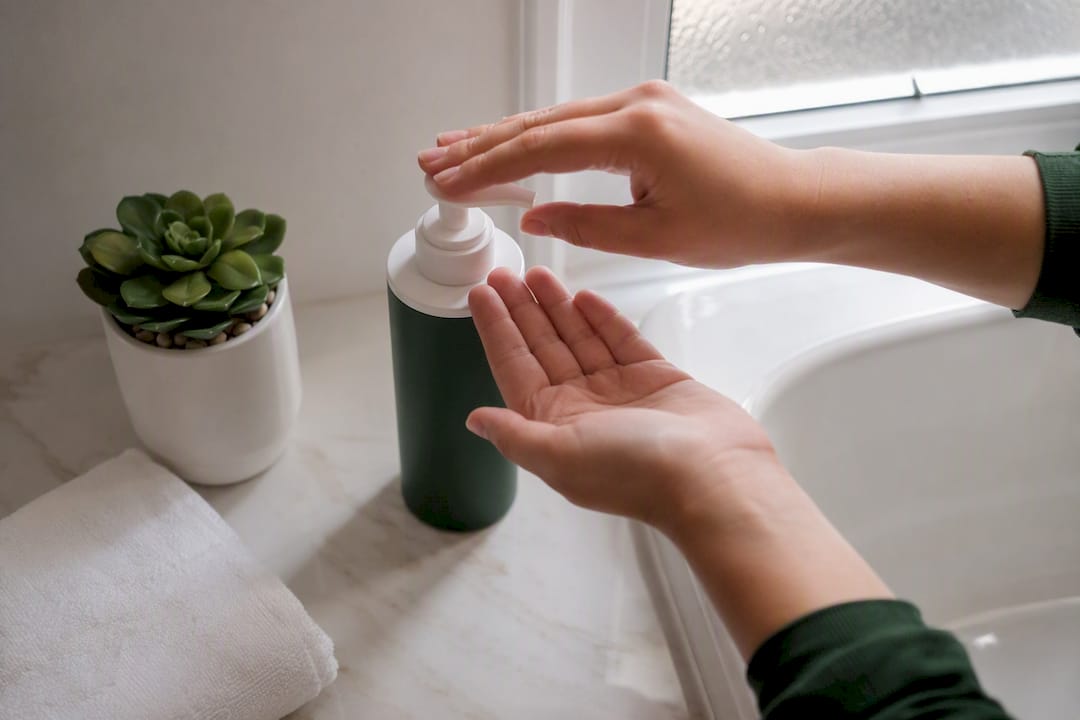
Wait 15 to 20 minutes after cleansing before applying tretinoin. Damp skin absorbs more of the medication, which sounds like a bonus until you realize it also means more stinging, more redness, and more flaking than your skin was ready to handle. Absorption through damp skin increases irritation risk, so the extra 15 minutes is not a suggestion, it is damage control.
Once skin is dry, apply a pea-size amount of tretinoin. That is roughly the size of a green pea, not a grain of rice and not a dollop the size of a dime. Dot it on the forehead, both cheeks, chin, and nose, then spread it thin and even across the entire face, avoiding the eyelids, the corners of the nostrils, and the lips. Tretinoin treats the whole face, not just active breakouts. Spot-treating defeats the purpose because acne forms in pores you cannot see yet.
Here is the progression most people should follow:
Mayo Clinic’s prescribing guidance backs this slow-build approach, and for good reason: skipping straight to nightly use is the single fastest way to end up with a burning, flaking mess that makes people quit in week two.
If irritation shows up anyway, buffering solves most of it without giving up potency. Three versions exist, and they are not interchangeable:
Pro Tip: Keep a simple log on your phone, just a note with the date and a one-word reaction (fine, dry, stinging, red). After three weeks you will see a pattern, and that pattern tells you exactly when to step frequency up or pull it back, instead of guessing.
If flaking shows up, add a ceramide-rich moisturizer and reduce to the previous frequency step for a week. If you get actual stinging or burning that lasts more than a few minutes, that is your skin telling you to buffer next time, not push through. Real contact dermatitis, meaning swelling, blistering, or a rash that spreads beyond the application area, is a different problem and needs a clinician’s input rather than a home fix.
Tretinoin makes skin more sensitive to UV light, so the morning routine is not just skincare maintenance, it is protecting the investment you made the night before. Skip sunscreen for a few weeks on tretinoin and you can undo months of progress with hyperpigmentation that takes far longer to fade than it took to appear.
The AM sequence should run in this order:
Benzoyl peroxide gets reserved for morning use for a practical reason: pairing it with tretinoin at the same time can cancel out some of tretinoin’s effectiveness and stack irritation on irritation. Splitting them by time of day, a structure clinical guides consistently recommend, lets each ingredient do its job without fighting the other.
Daily SPF 30+ is not optional while using tretinoin, it is part of the treatment. Pick a sunscreen texture you will actually reapply, a fluid or gel formula for oily skin, a cream-based one for dry skin, because the best sunscreen is the one you will not skip by 11 a.m. Avoid heavy oils and alcohol-based toners in the morning routine; both can either clog pores or strip the barrier tretinoin is already testing.
Concentration and vehicle both change how a routine feels day to day, and getting this wrong is a common reason people bail on tretinoin in month one. Lower is almost always the smarter starting point.
Climate plays a role too. Dry winter air amplifies flaking regardless of strength, so some people need to drop a concentration level seasonally rather than switch products entirely. If you are peeling excessively or dealing with irritation that does not calm down after two full weeks at a given strength, that is the signal to talk to a provider about a formulation change rather than tough it out.
Purging is real, it is temporary, and quitting during it is the single most common reason people never see tretinoin’s actual benefits. The purge typically starts within the first one to two weeks, peaks around weeks two to four, and resolves by weeks four to eight, though the exact timeline shifts depending on how congested your skin was going in and which concentration you started at.

During that window, expect more visible whiteheads or small bumps than before, some flaking, and general dryness. That is tretinoin accelerating cell turnover, pushing congestion that was already forming beneath the surface up to where you can see it. It looks worse before it looks better.

What is not normal: severe swelling, blistering, open sores, or any reaction that spreads well beyond where you applied the product. Those warrant a call to your provider, not a wait-and-see approach.
Here is how to manage the purge without abandoning the plan:
Dermatology sources are consistent on one point: patience beats speed, and stopping at week three, right at the peak of purging, means restarting the entire adjustment process later instead of pushing through a phase that was already ending.
Tretinoin does not play well with other strong actives, and combining them at night is the fastest route to a compromised barrier. Skip AHAs, BHAs, other retinoids, and high-strength vitamin C in the same nighttime routine as tretinoin. These actives should be used at a different time or paused entirely until skin has adjusted.
A minimalist schedule during adjustment might be just cleanser, tretinoin, moisturizer at night, and cleanser, moisturizer, SPF in the morning, nothing else. A moderate schedule adds one supporting active, like a hydrating serum, once skin has handled a few weeks of tretinoin without complaint. When testing any new product, patch test first, introduce one product at a time, and give it two to four weeks before adding anything else. Stacking three new products at once makes it impossible to know what caused a reaction.
Most flaking and dryness are expected, but some signals mean stop guessing and get medical input. Severe pain, swelling, oozing, or any sign of infection needs prompt attention rather than another week of waiting it out. So does a total lack of improvement well past the eight-week mark most people use as a benchmark.
A telehealth dermatology consult can adjust your strength or vehicle, refill your prescription, and track progress through photos over time. Before a visit, gather a timeline of symptoms, a list of every product you’re using, and a couple of recent photos in natural light.
FitRx pairs patients with licensed clinicians who build a starter plan around your skin, not a generic script. We lean into slow titration and barrier support first, because adherence beats aggression every time we’ve reviewed how these plans actually play out. That philosophy runs through every follow-up.
— Bryan
FitRx is the clinician-backed alternative to trial-and-error tretinoin, the kind where you buy a tube online, guess at frequency, and hope your skin cooperates. Instead, a licensed provider reviews your skin type, prior retinoid history, and current products before recommending a starting concentration and titration schedule, then adjusts it as you go through photo check-ins in the app.

That matters most in the first eight weeks, exactly when most people either quit too early or push too hard. If irritation shows up, your FitRx provider can switch your formulation, dial back frequency, or add supportive products without you having to guess whether it’s normal or a real problem. FitRx also handles prescription delivery to your door, so refills don’t depend on scheduling an in-person visit every few months.
If you’re ready to start tretinoin with a plan built for your actual skin, book a skincare consultation with FitRx and get a personalized routine within days, not months of trial and error.
This routine draws on prescribing guidance from Mayo Clinic, purge-timeline research from SKŌR, and barrier-support guidance from Revivify.
This article is general information, not a substitute for advice from a qualified doctor. Consult a qualified healthcare professional about your own circumstances before acting on anything here.
Cleanse, wait 15 to 20 minutes until skin is fully dry, apply a pea-size amount across the entire face, then moisturize. Start 2 to 3 nights a week and increase gradually as tolerance builds.
A simple four-step structure works best: cleanse, treat, moisturize, and protect, with tretinoin applied at night and benzoyl peroxide or azelaic acid reserved for morning use alongside daily SPF 30+.
Cleanser first, then a 15 to 20 minute dry-down period, then tretinoin, then moisturizer if your skin needs the extra buffer. Sunscreen only applies the next morning, since tretinoin is a nighttime step.
The general approach is to start with lower frequency and strength, then step up gradually: begin at 2 to 3 nights a week, move to every other night, then nightly, only advancing once skin tolerates the current step without persistent irritation.
Most purging starts within the first one to two weeks, peaks around weeks two to four, and resolves by weeks four to eight, though it varies by starting concentration and baseline skin congestion.
Yes. A telehealth consult through FitRx can adjust strength or formulation, address persistent irritation, and provide ongoing follow-up without an in-person dermatology visit.


.svg)