

TL;DR
- A simple refill sent to Walgreens usually turns around the same day, but a brand-new GLP-1 prescription with a prior authorization and a stock problem can easily take most of a week.
- Five things cause almost every delay: prior authorization holds, out-of-stock specialty drugs, prescriber verification lags, formulary rejections, and the prescription landing at the wrong store.
- Call the pharmacy the day your provider sends the script. Ask two questions: does this need prior authorization, and is my dose on the shelf. Nobody will call you first.
- Auto refill only runs with your consent at Walgreens or through a telehealth provider, and you can shut it off from your account whenever you want.
- HIPAA covers your prescription data no matter who handles it, but every extra handoff is one more chance for a mix-up.
Dana, a 42-year-old teacher in Appleton, got her Zepbound prescription from an online provider on a Tuesday morning. She figured she'd swing by Walgreens after work and be home for dinner. Instead she spent four days calling the pharmacy, sat on hold twice, and eventually learned her insurance wanted a prior authorization nobody had mentioned. By the time it cleared, the store was out of her dose and had to send it to another Walgreens across town.
Nothing about that is unusual. It's just what happens when a prescription written online drops into a retail pharmacy queue alongside walk-ins, insurance holds, and inventory gaps. Here's what causes the lag and how to route around it.
How do telehealth prescriptions actually get filled at a physical pharmacy?
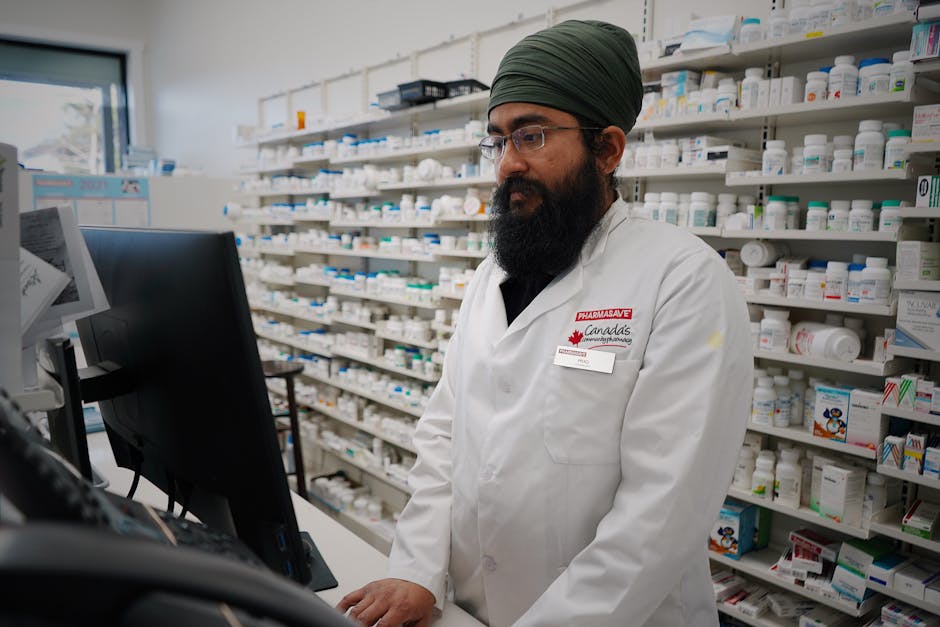
Your provider sends it electronically to whichever pharmacy you name: a local Walgreens, a CVS pharmacy, or a mail-order pharmacy tied to your telehealth service. From there the pharmacy verifies the prescriber's license, runs it through your insurance, confirms the drug is in stock, and does a final safety check.
Routine refills of something you've taken for months, like birth control or a maintenance dose of enclomiphene, tend to clear quickly. Often same day. New prescriptions are a different animal, especially GLP-1s:
- Insurance verification. A few hours if your plan pays without a fight. Several days if it wants a prior authorization first.
- Stock confirmation. GLP-1 supply has been uneven, and not every store carries every dose. A 2.5 mg starter pen and a 10 mg maintenance dose are separate inventory items.
- Prescriber callback. Any question about dose, interaction, or your history parks the fill until someone at the provider's office picks up the phone.
The Walgreens pharmacy website notes that patients can manage prescriptions, transfers, and refills through the app or an online account. Useful for seeing where things stand. It doesn't remove the bottleneck, it just gives you a window into it.
Pro tip: call the same day your provider sends the prescription and ask exactly two questions. Does this need a prior authorization? Is my specific dose on the shelf right now? Ask for the tech's name. If the answer to either is no, you've saved yourself a wasted trip and started the clock a day earlier.
What are the 5 most common Walgreens refill delays?
Most delays trace back to one of five predictable snags. Once you know which one you're in, you can usually shortcut it.
- Prior authorization holds. Your insurer wants proof the drug is medically necessary before paying. This is the number one reason GLP-1 prescriptions stall, because weight loss coverage varies enormously from plan to plan.
- Out-of-stock specialty drugs. Zepbound, Wegovy, and other high-demand medications aren't always on the shelf, particularly at smaller stores. The pharmacy either orders it or transfers your script somewhere that has it.
- Prescriber verification lags. A question about your dosage, an interaction flag, or an unfamiliar telehealth prescriber puts your fill in a pending-verification queue until someone calls back.
- Formulary rejections. Your plan covers the drug class but rejects that specific brand or dose, bouncing the prescription back for a substitution or an appeal.
- Pickup location mismatches. You named one Walgreens. A prior refill or a system default sent it to another. It's sitting 20 minutes away and nobody told you.
Any one of these costs you a day. Stack two or three, which is common on a first specialty fill, and you're at a week.
Pro tip: confirm the exact store address and Walgreens pharmacy phone number your provider has on file before they hit send. Chains number their stores, and the one on Main Street and the one on the highway can be a digit apart. That single digit is how prescriptions end up across town.
What does it cost to fill at a retail pharmacy versus get it shipped?
Price depends far more on your insurance status than on which pharmacy fills it. Delivery usually wins on convenience, and often on total cost once you count gas, time, and the odds of a wasted trip.
| Cost factor | Walgreens/CVS pickup | Home delivery via telehealth |
|---|---|---|
| Cash price, GLP-1, no insurance | Full retail, four figures a month | Often lower via manufacturer savings programs or alternative formulations |
| With insurance coverage | Your copay, but prior authorization can hold it | Same copay through an insurance-integrated pharmacy partner |
| Shipping or pickup cost | No fee, but you make the trip | Usually included with the service |
| New prescription wait | 1 to 7 days depending on stock and PA | Typically a few days door to door once approved |
| Refill wait | Same day to 24 hours | Ships on schedule, before you run out |
Show the math. Say your plan won't cover Zepbound and the cash price at your Walgreens is $1,059 for a 28-day supply. The medication cost is fixed either way. What isn't fixed is the trip. Two round trips of 20 minutes each way is 80 minutes of your time. At roughly 8 miles each way and $3.30 a gallon in a car doing 25 mpg, that's 32 miles, about 1.3 gallons, so around $4 in fuel. The money is trivial. The 80 minutes is not, and neither is the day your dose is late because trip one hit a stock problem.
Run it on your own numbers: (round trips × minutes per round trip) tells you the real price of pickup. If that number crosses about two hours a month, coordinated delivery is worth pricing out. A telehealth provider handling weight loss options with or without insurance, plus dose adjustments online, deletes those trips even when the drug price is identical. Compare the full breakdown in our guide on CVS pharmacy vs. online prescription delivery before you commit to either route.
How do automatic refill programs work, and how do you stop unwanted deliveries?
Auto refill means your pharmacy or provider fills and ships your next dose before you run out, on your prescribed schedule. It only starts with your consent and it stops the moment you cancel. Walgreens' program runs off your existing prescription, so it won't change your dose or quantity without your prescriber authorizing it, and you can switch it off in your online account or the app, per Walgreens' own pharmacy management tools.
Same logic with a telehealth provider like FitRx. Refills keep coming only while:
- Your prescription is active and hasn't expired or been changed by your provider.
- You haven't paused or canceled your treatment plan in your account.
- Your provider hasn't flagged a check-in. This comes up constantly during GLP-1 titration, where doses step up on a set schedule and your provider wants to hear how you're tolerating the current one first.
Get a shipment notice you didn't expect? The fix is identical at Walgreens or an online pharmacy. Log in, look at your active prescriptions, then decide something's wrong. In our experience most "surprise" refills are a maintenance medication like birth control renewing exactly on schedule.
Pro tip: if you're running prescriptions through two channels, birth control one place and a GLP-1 another, put both refill dates in one calendar with a reminder three days out. That's the window where you can still cancel a duplicate before it ships instead of arguing about it after.
What privacy protections apply when your prescription moves between providers and pharmacies?
Every step, from your provider's system to the pharmacy to the courier, falls under HIPAA, which legally requires your medical and prescription information stay protected no matter how many parties touch it. That holds whether your enclomiphene prescription bounces from a telehealth provider to a Walgreens specialty pharmacy across town or goes straight from an online provider to a mail-order pharmacy.
The practical difference is exposure. A call center rep, a pharmacy tech, a store transfer, a courier: each handoff is another point where a name gets misread or a bag goes to the wrong counter. Fewer links, fewer chances. That matters more for prescriptions people specifically want handled quietly, like ED medication or mental health treatment, than for a routine birth control refill you'd hand your roommate without thinking twice.
If discretion is a priority, read how your provider's privacy policy describes data handling before you start treatment. Not after.
What should you do differently next time?
Dana's four days were avoidable. One phone call on Tuesday covering prior authorization, stock, and which store had the script would have caught all three problems while there was still time to fix them.
The larger point stands, though. Retail pickup has friction built into it. Insurance holds, stock checks, store transfers. Those failure points don't exist when the prescriber and the pharmacy are the same coordinated system.
Starting something new, whether it's a GLP-1 for weight loss, enclomiphene for testosterone support, or a hair loss refill? Compare a free consultation through FitRx's weight loss program or check the FAQs to see how delivery and refills work before you commit to a pickup you might spend a week chasing.
Frequently asked questions
Can I use my insurance with an online provider instead of picking up at Walgreens?
Usually yes. Many telehealth providers will send your prescription to whichever in-network pharmacy your plan requires, including a local Walgreens or CVS, or route it to a mail-order pharmacy that bills insurance directly. Ask your provider which option applies to your specific plan before you start.
What if my Walgreens pharmacy has different hours than the store?
It often does. The pharmacy counter frequently closes earlier than the retail floor, and holiday hours shorten further. Check the store locator or app the day you plan to go, especially for anything time-sensitive.
Is it faster to transfer a prescription between pharmacies or start a new one through telehealth?
A same-chain transfer between two Walgreens locations is normally quickest, since your records already live in their system. But if the original is stuck in a prior authorization hold, transferring moves the hold along with it. In that case starting fresh through a telehealth provider with direct-ship fulfillment can beat waiting on the transfer.
Done chasing the counter? Start a free consultation through FitRx and find out whether your prescription, refills, and delivery can run without a single trip to the store.
%20(1).jpg)